Present
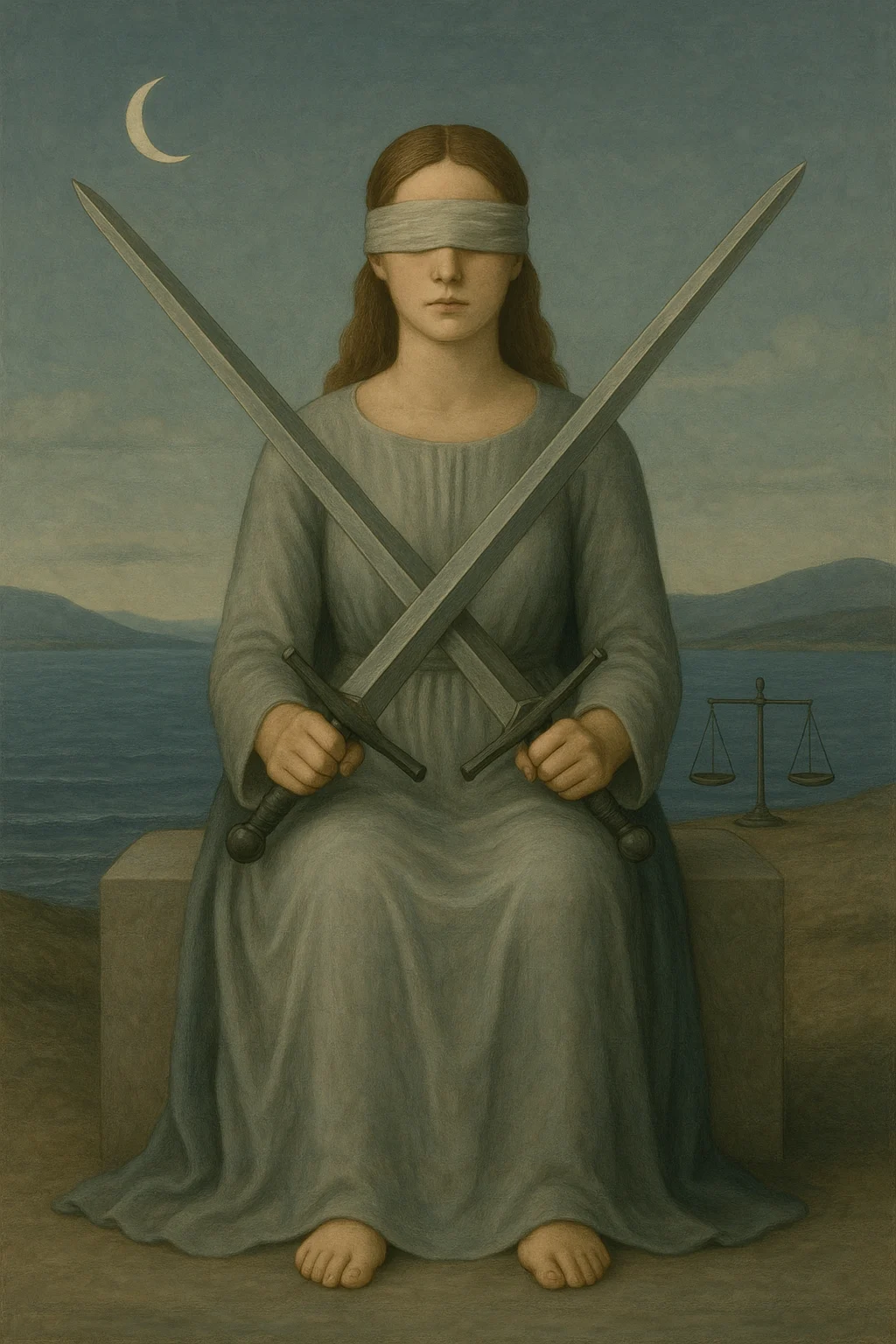
Two of Swords — Upright
You are keeping two legitimate truths apart: security matters, and the current shape of work is no longer sufficient. The Two shows a deliberate stalemate. The decision is tiring because both sides carry value.
Ten positions
A deep reading for situations with history, inner conflict, surrounding pressures, and more than one possible future.
The Celtic Cross is best understood as two structures. The six-card cross describes the situation across depth and time. The four-card staff describes the seeker’s stance, environment, hopes and fears, and likely outcome. Read each structure first, then ask how they answer one another.
Its history is more recent than its name may suggest. Forms of the spread were popularised in English-language occult tarot in the early twentieth century. There is no single universal numbering or wording, so always establish the position system before drawing.
The role is secure and respected, but its structure leaves little room for the work I most want to make. Independent work is beginning to grow, although its income is uneven.
Present
You are keeping two legitimate truths apart: security matters, and the current shape of work is no longer sufficient. The Two shows a deliberate stalemate. The decision is tiring because both sides carry value.
Challenge
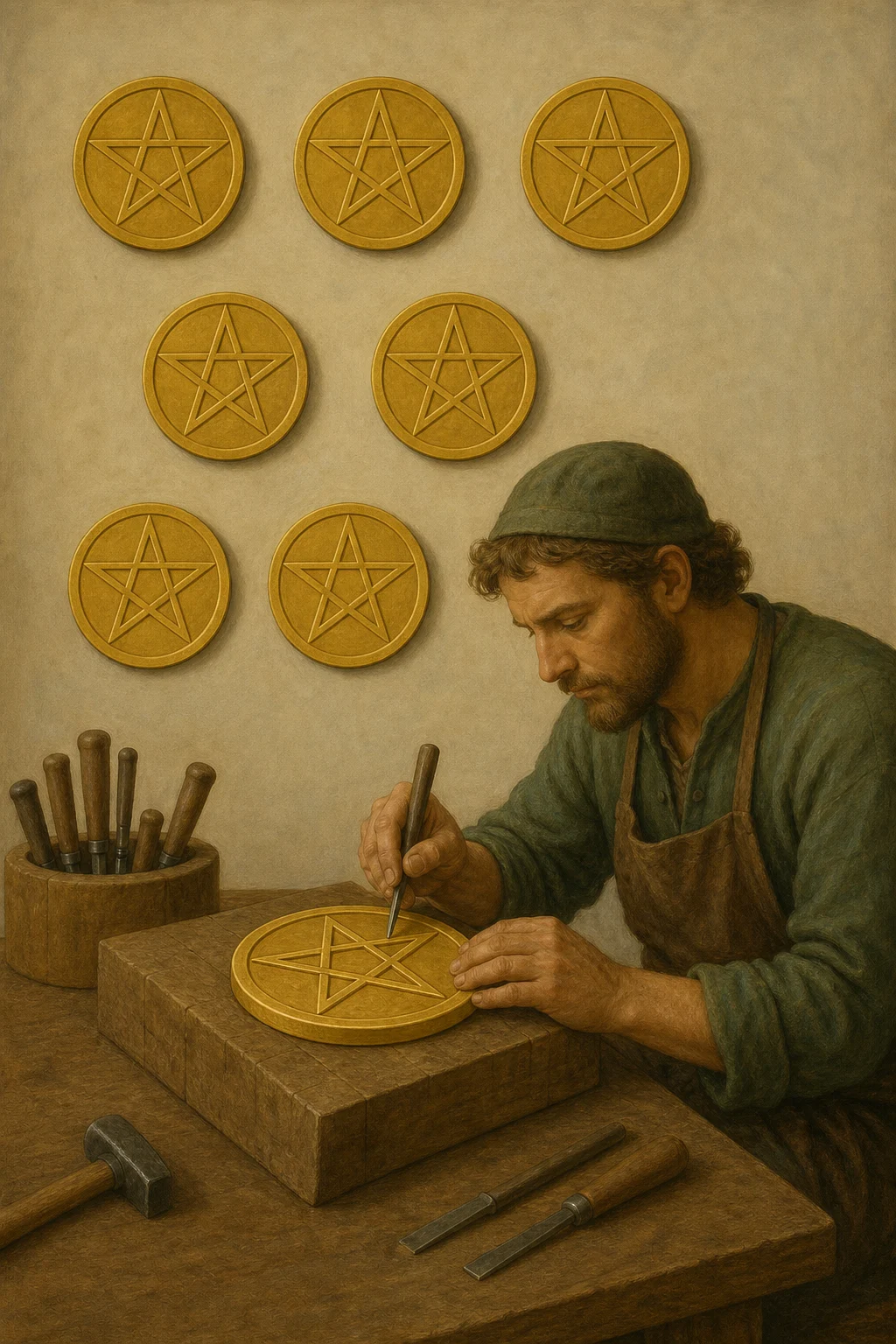
The crossing card raises the possibility that skill has become repetition without development. Reversed, the Eight also warns against romanticising independence while neglecting the systems, pricing, and sustained practice that make it viable.
Foundation
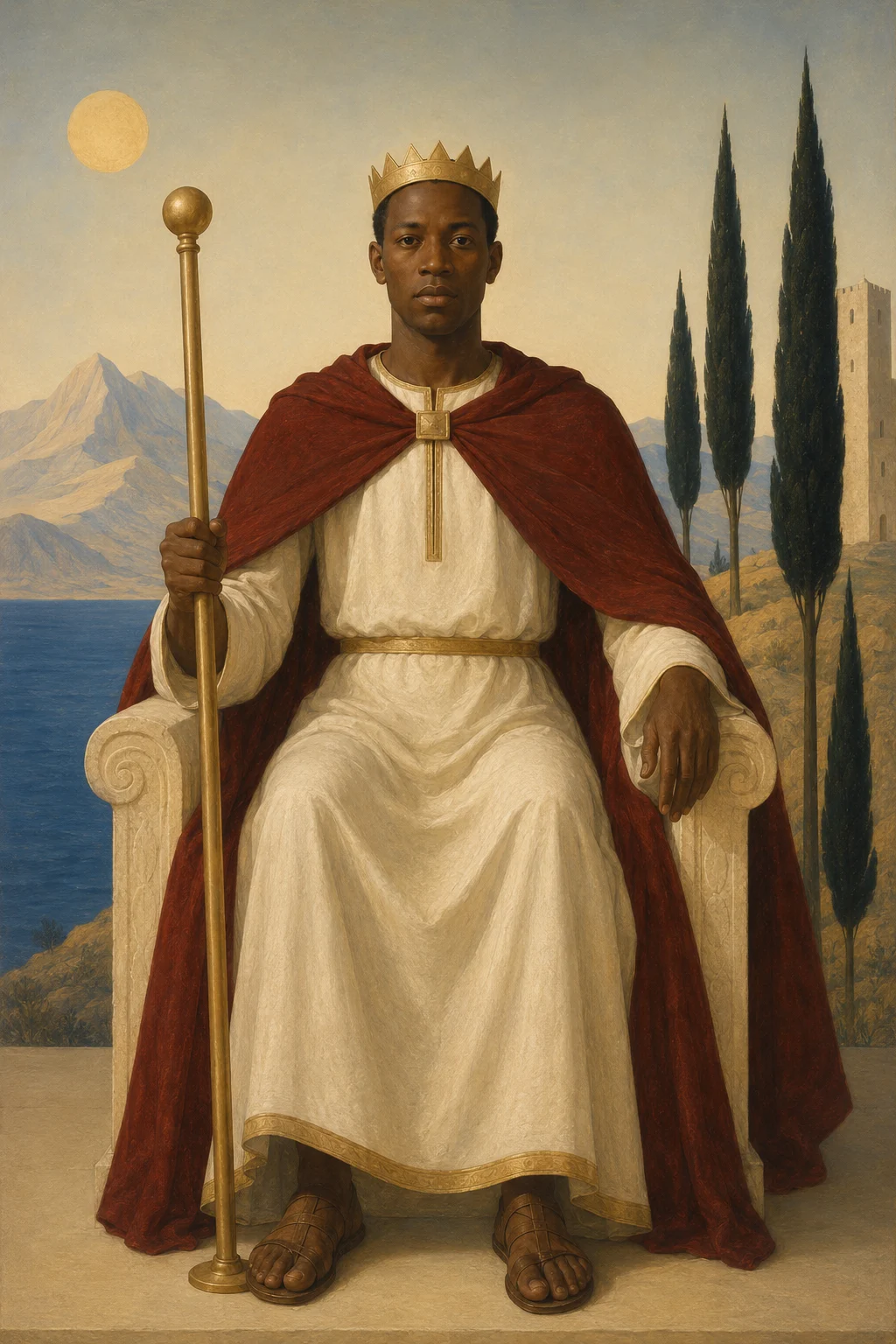
You have a real need for structure, authority, and dependable ground. The job did not invent that need. An independent path that ignores it will recreate the same conflict in another form.
Recent past
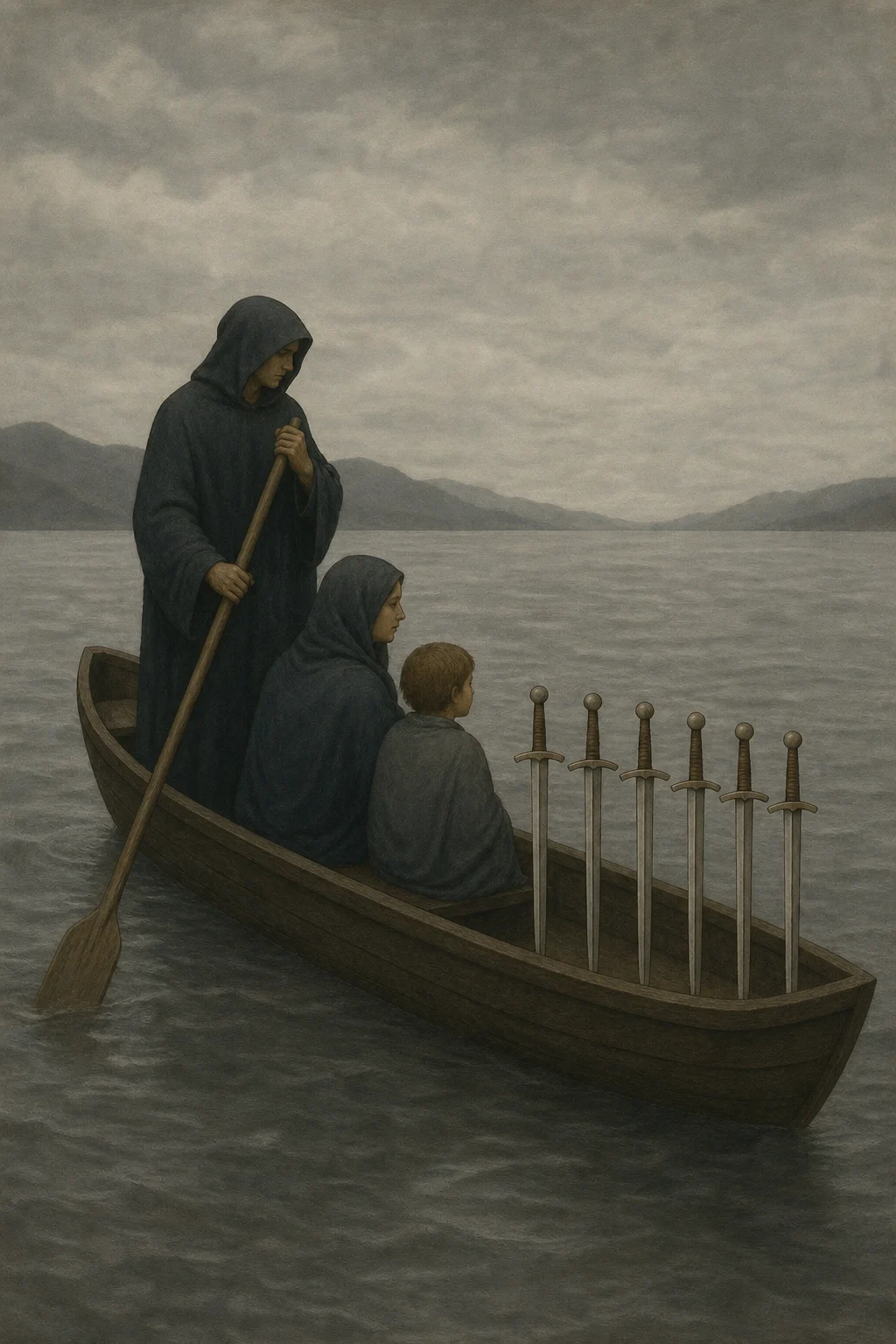
A quieter transition has already begun. You have been moving mentally and practically away from an older identity, perhaps through side work, new contacts, or a changed understanding of what a good career means.
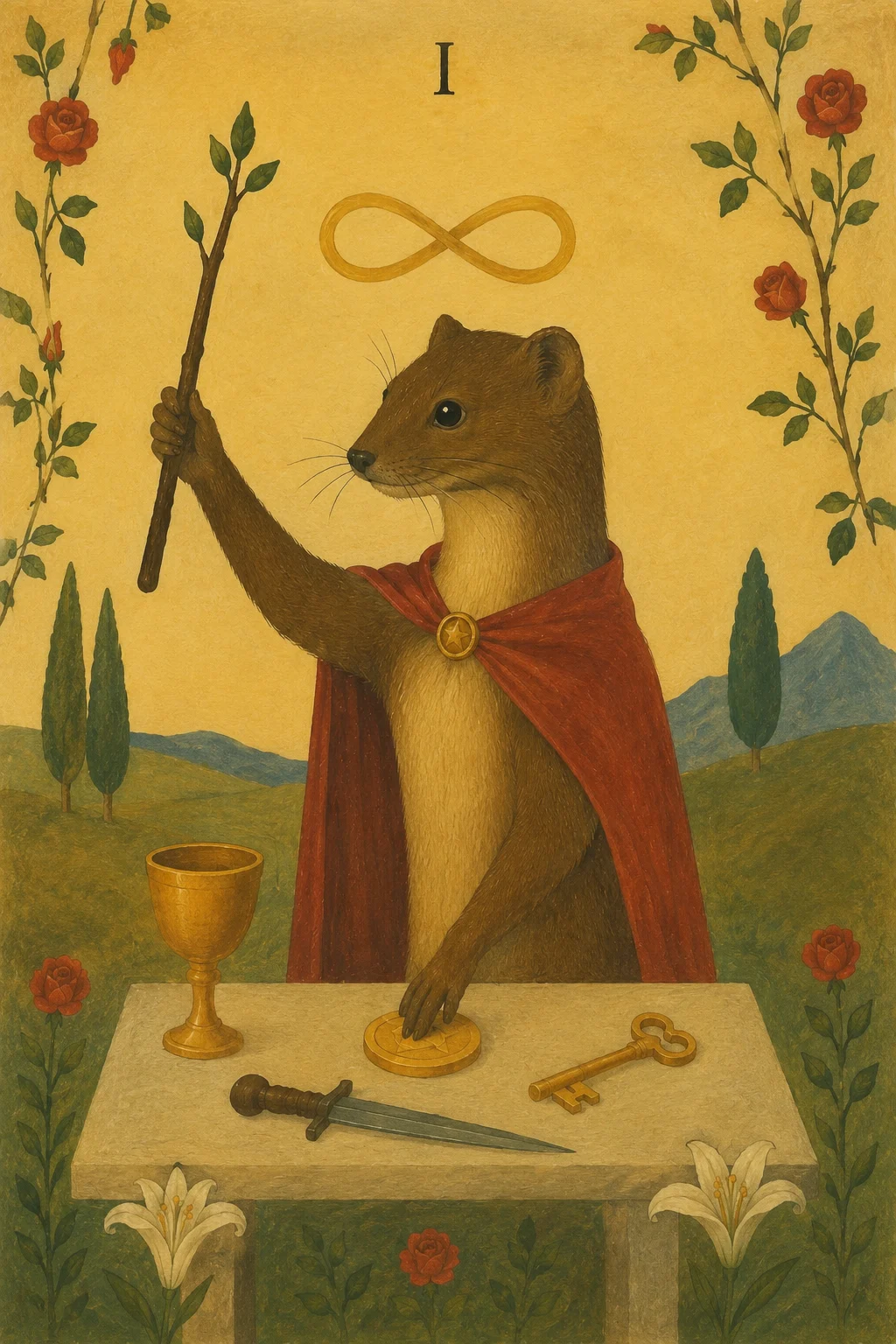
Conscious aim
You want authorship: the ability to choose your tools, initiate work, and see a direct relationship between intention and result. The Magician is capable, but personal drive cannot replace every form of support or structure.
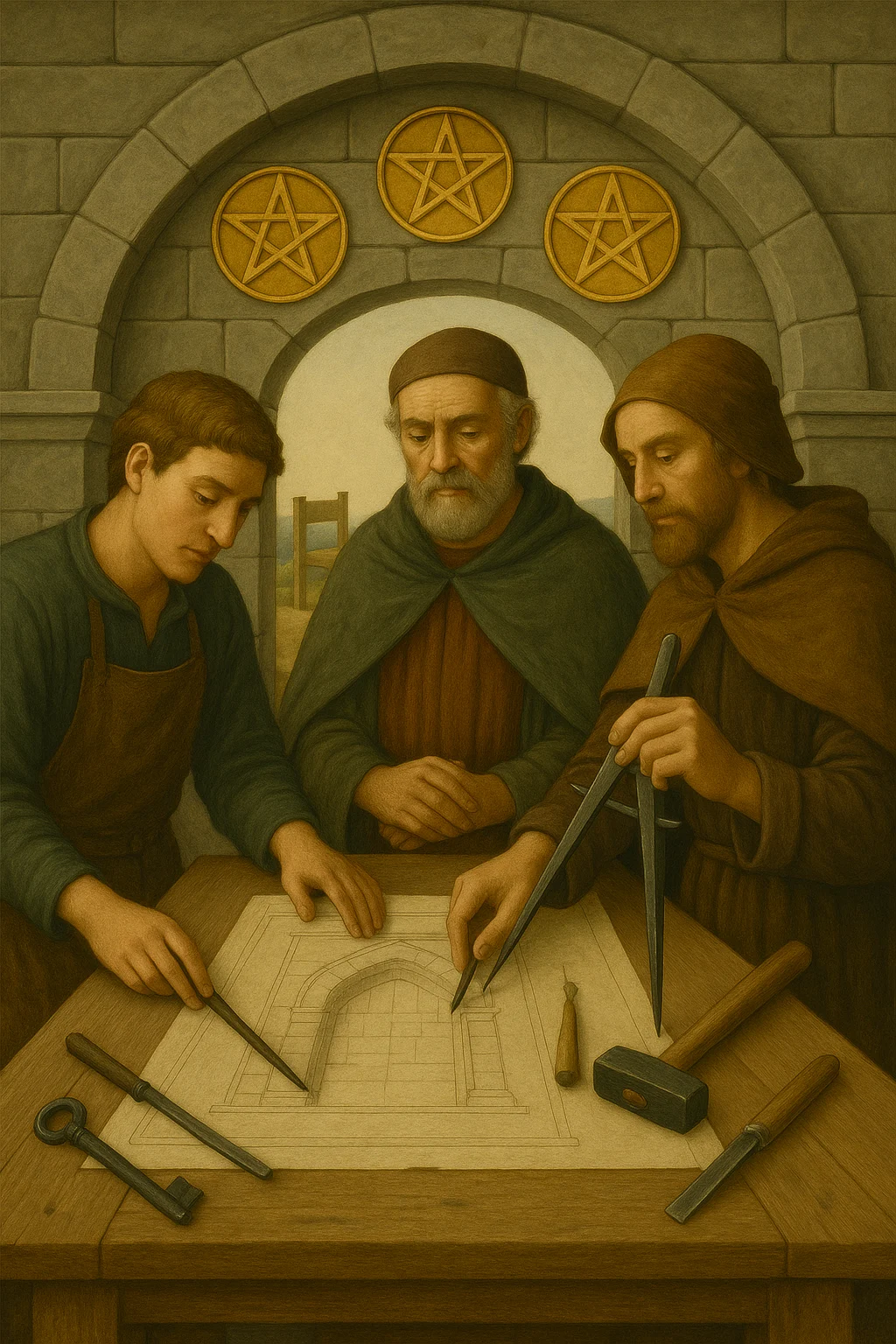
Near future
The next development is collaborative evidence. A commission, partnership, mentor, client, or peer structure can show what the independent work is worth outside your imagination. Build with people before deciding alone.
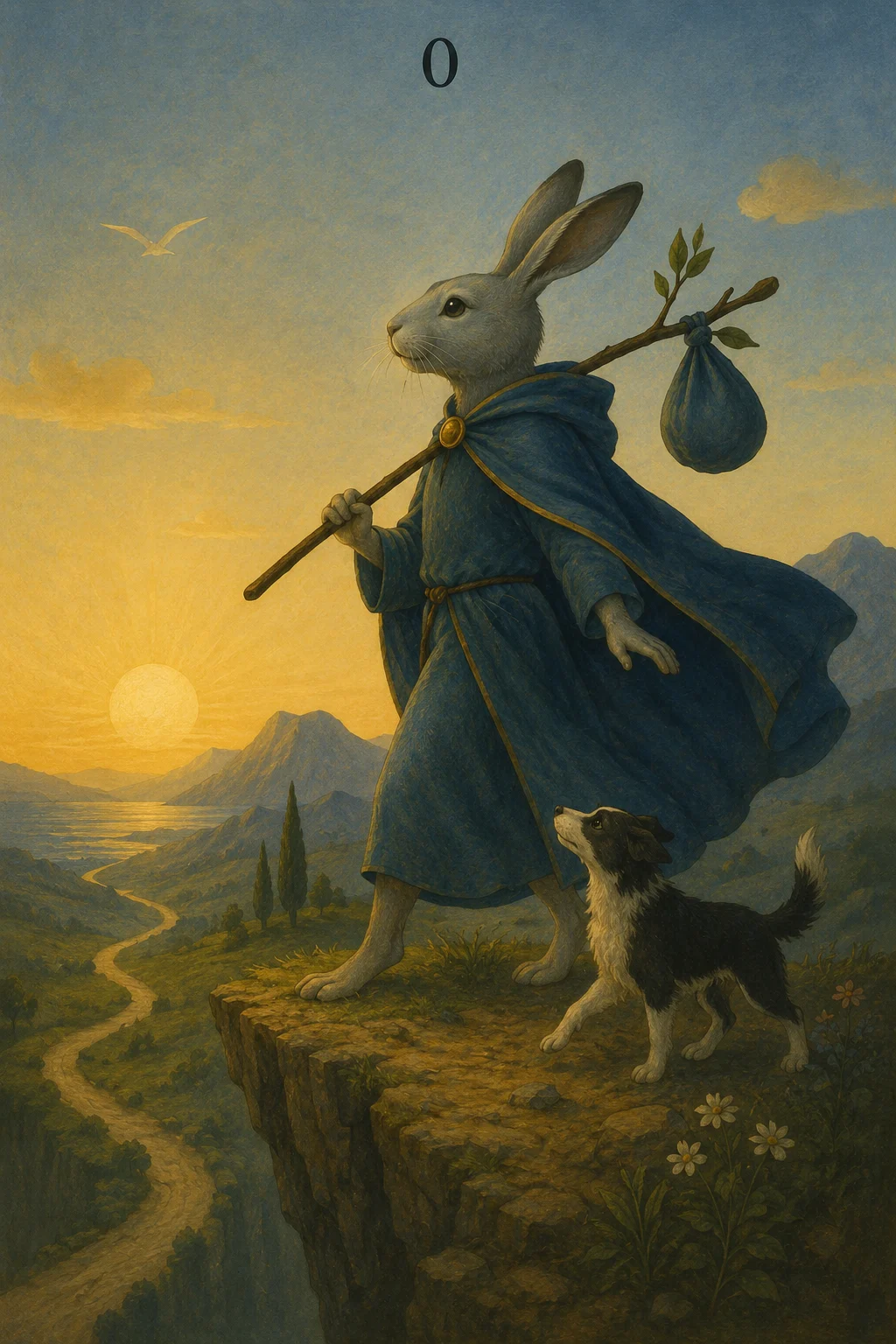
Self
Part of you fears both versions of foolishness: leaping too soon and staying so long that the road closes. Reversed, The Fool asks for a first step that is neither paralysis nor escape.
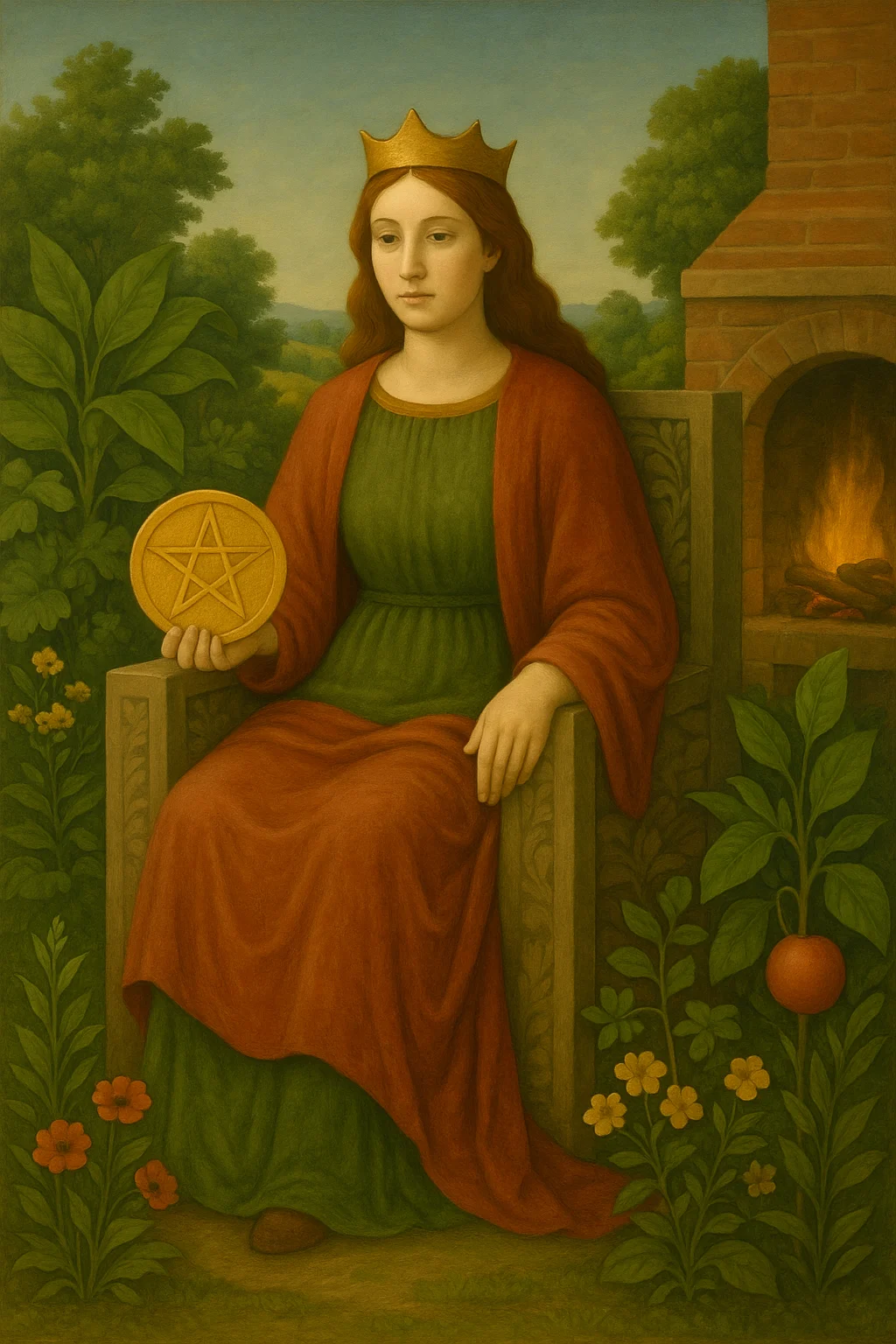
Environment
The environment offers practical support or a useful model of sustainable independence. This may be a person, household arrangement, client base, or way of managing resources. Identify it and include it in the decision.
Hopes and fears
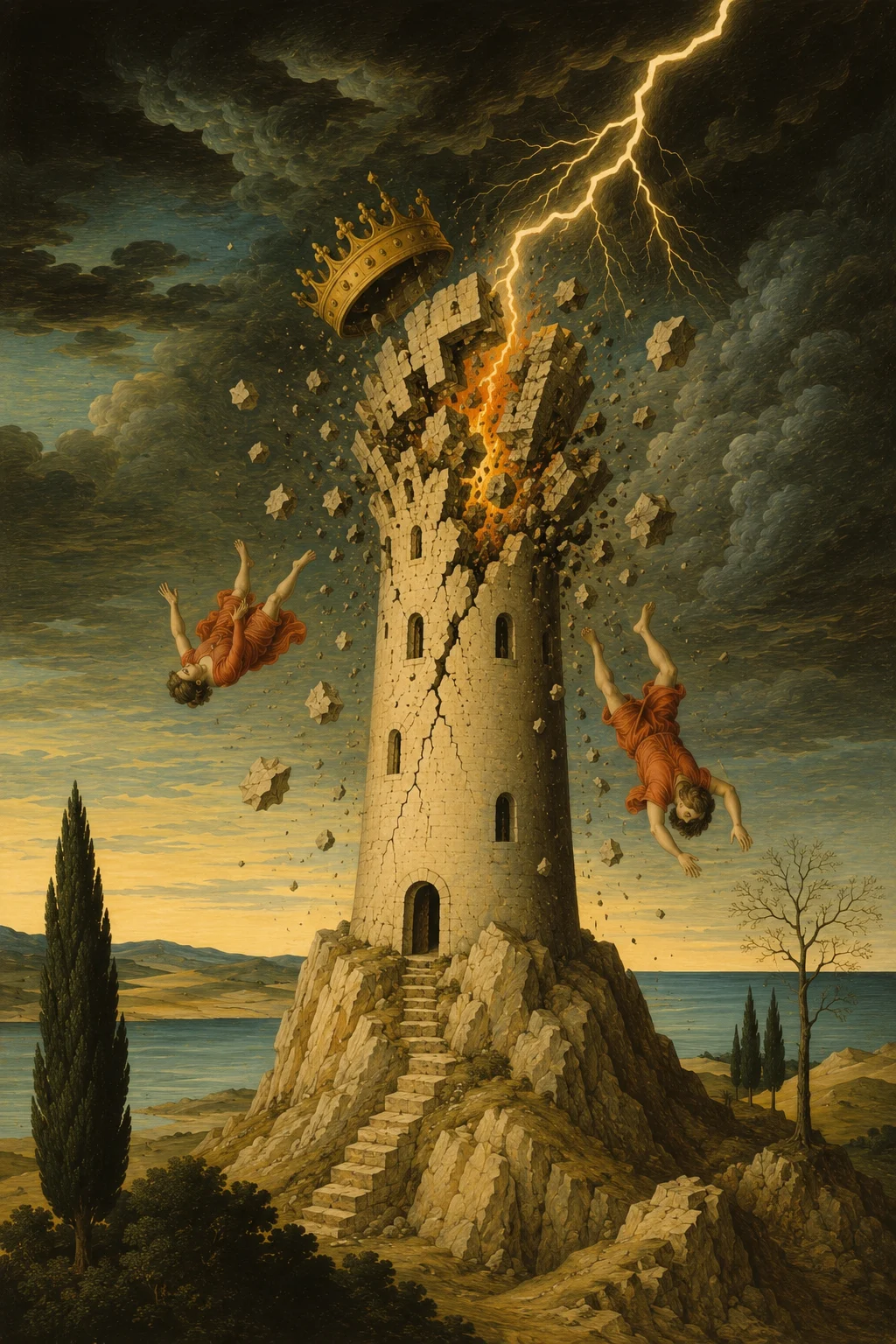
You hope for a liberation dramatic enough to end compromise, and fear the same rupture as loss of status, income, and identity. The Tower here describes the emotional scale assigned to the decision; it does not require catastrophe.
Outcome
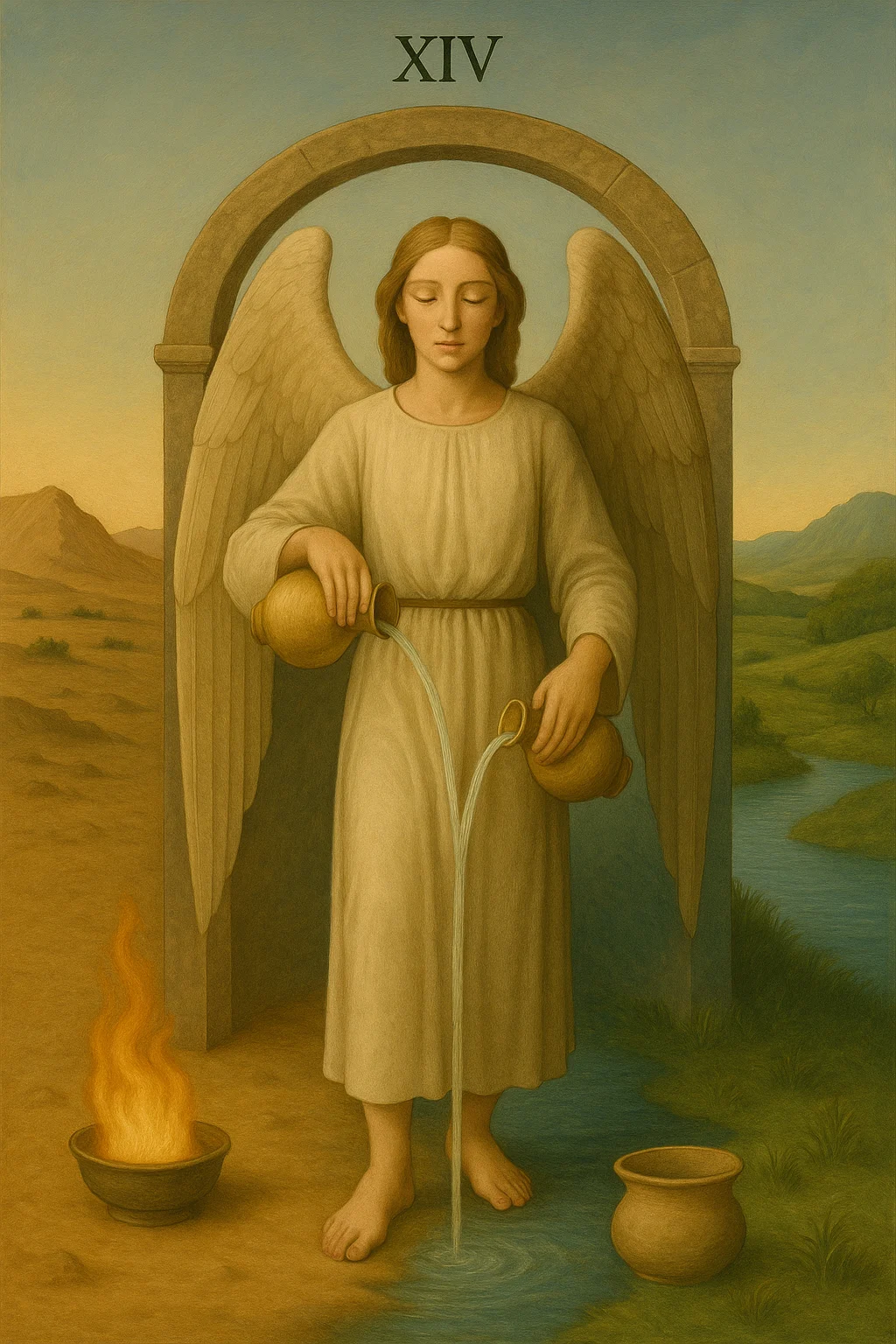
The likely outcome is a gradual transition. Temperance favours testing, proportion, and an arrangement that combines security with greater authorship until independent work is stable enough.
This is not simply a choice between courage and fear. The Emperor shows that structure is one of your values, while the Magician shows that authorship is another. Design a transition that respects both.
Pentacles appear in Challenge, Near Future, Environment, and the Queen’s court. Viability is therefore central to the question. Independent work needs repeatable craft, collaboration, pricing, reserves, and a daily life that can cope with uneven income.
Temperance provides a clear answer to the Tower in Hopes and Fears. You expect a dramatic collapse or escape, while the cards point to a measured transfer. A reduced week, defined revenue threshold, time-limited experiment, or signed body of work may be wiser than an immediate resignation.
The outcome remains conditional. If planning and desire stay separate, the stalemate continues. External evidence from the Three of Pentacles and practical support from the Queen of Pentacles would make the gradual transition concrete.